
Number 666
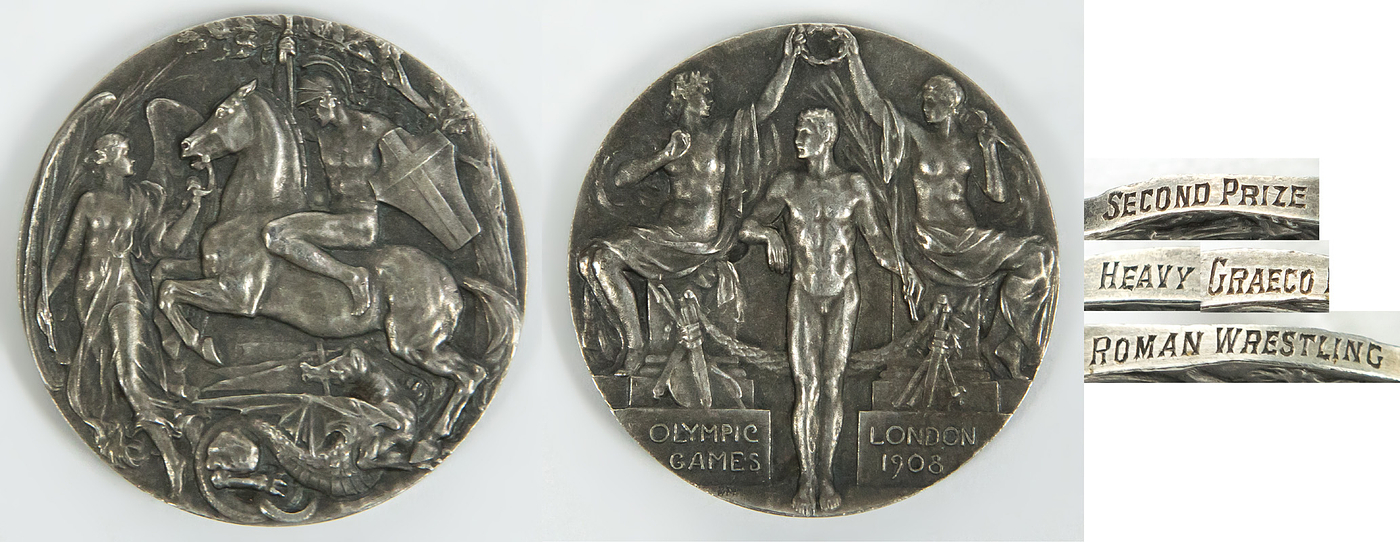
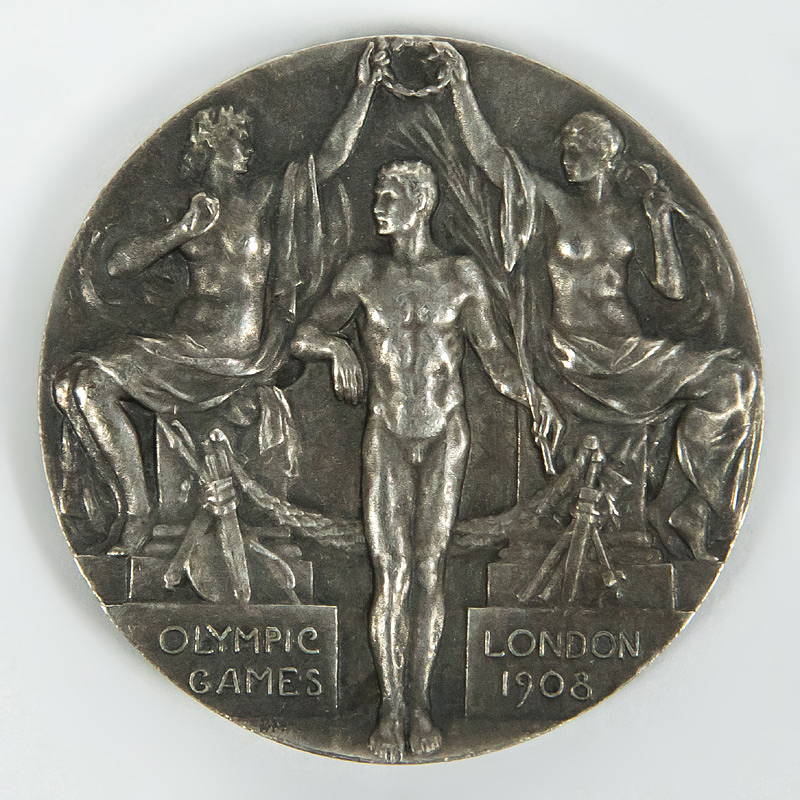
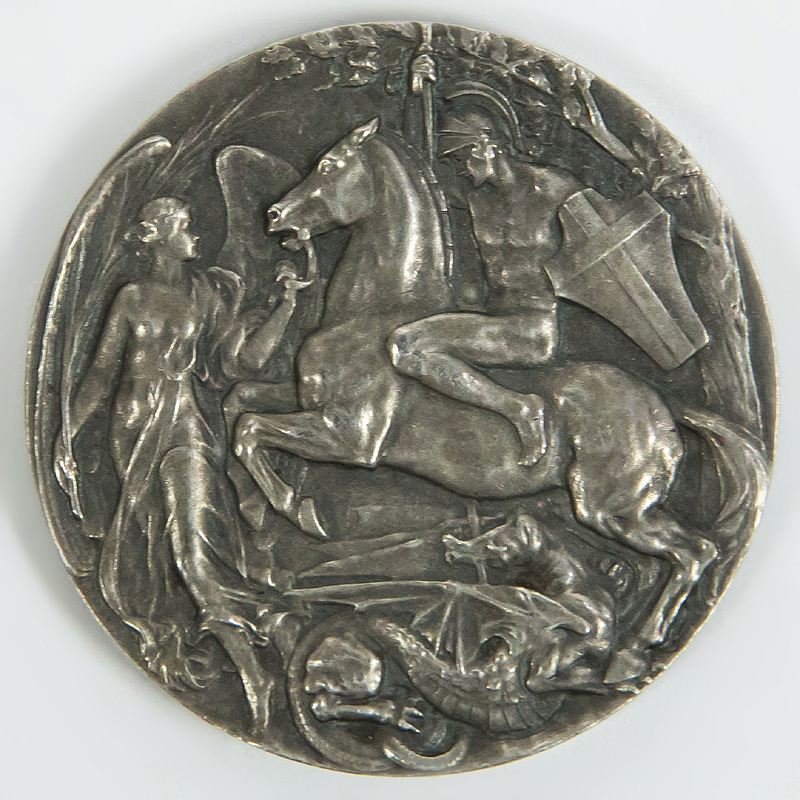
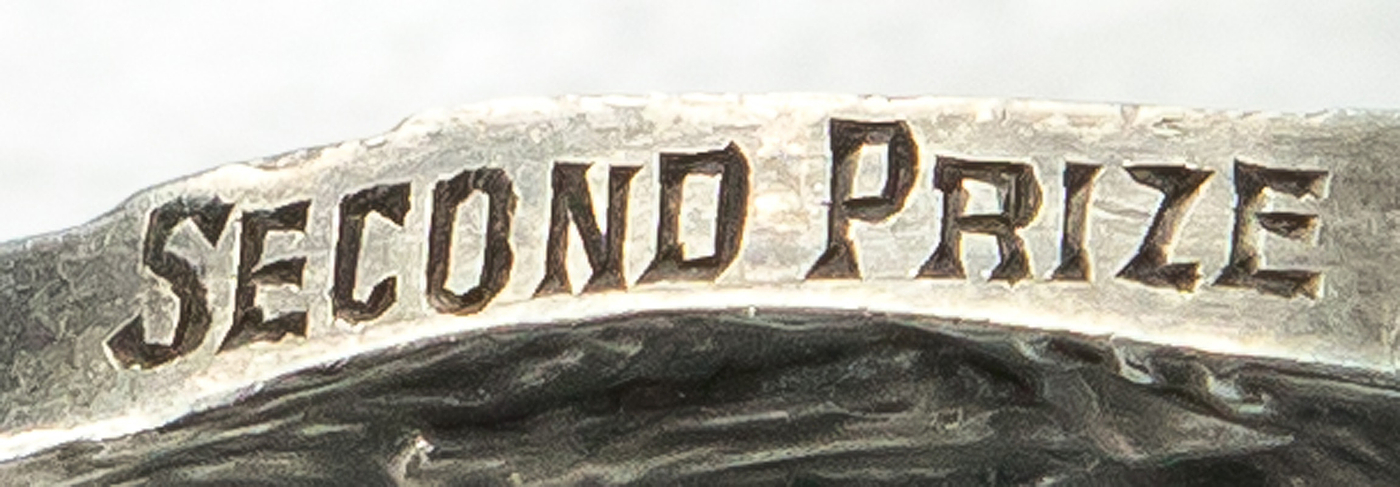
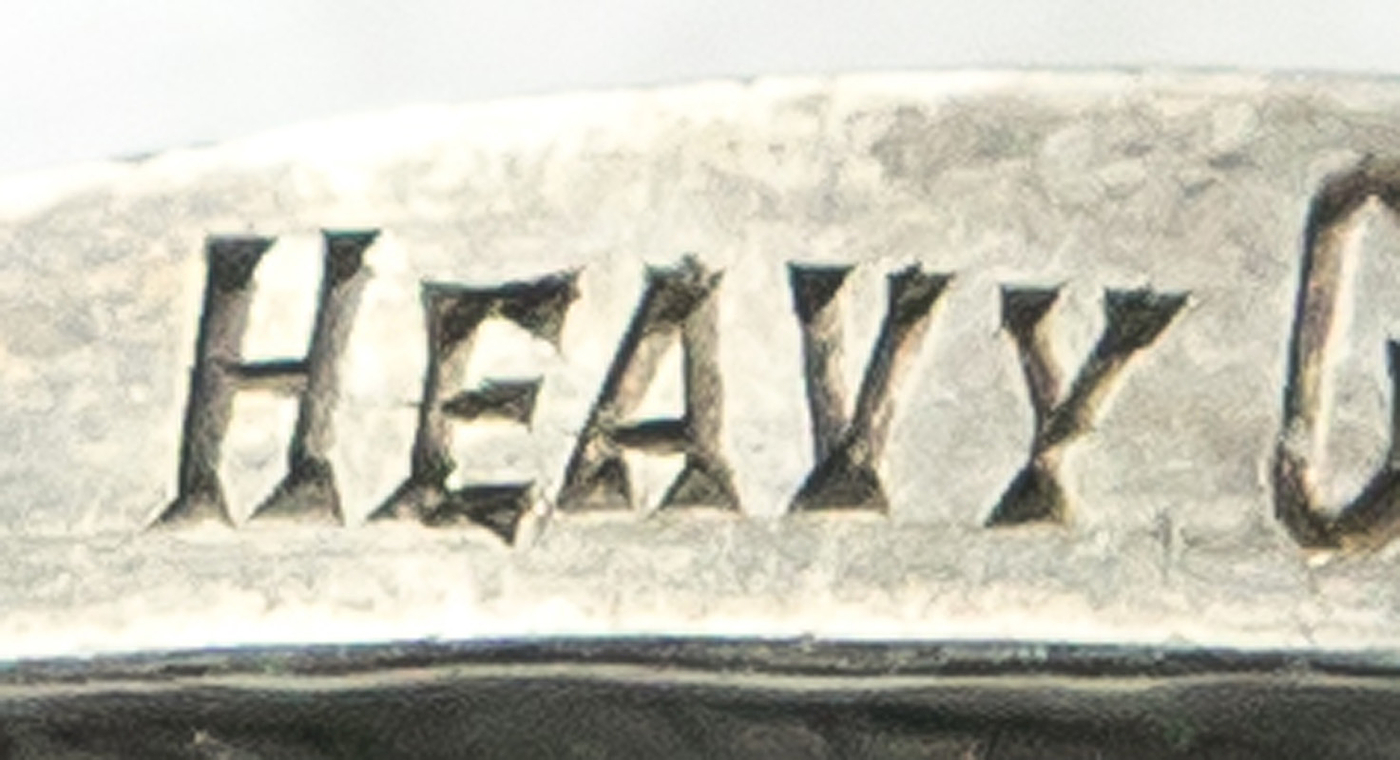
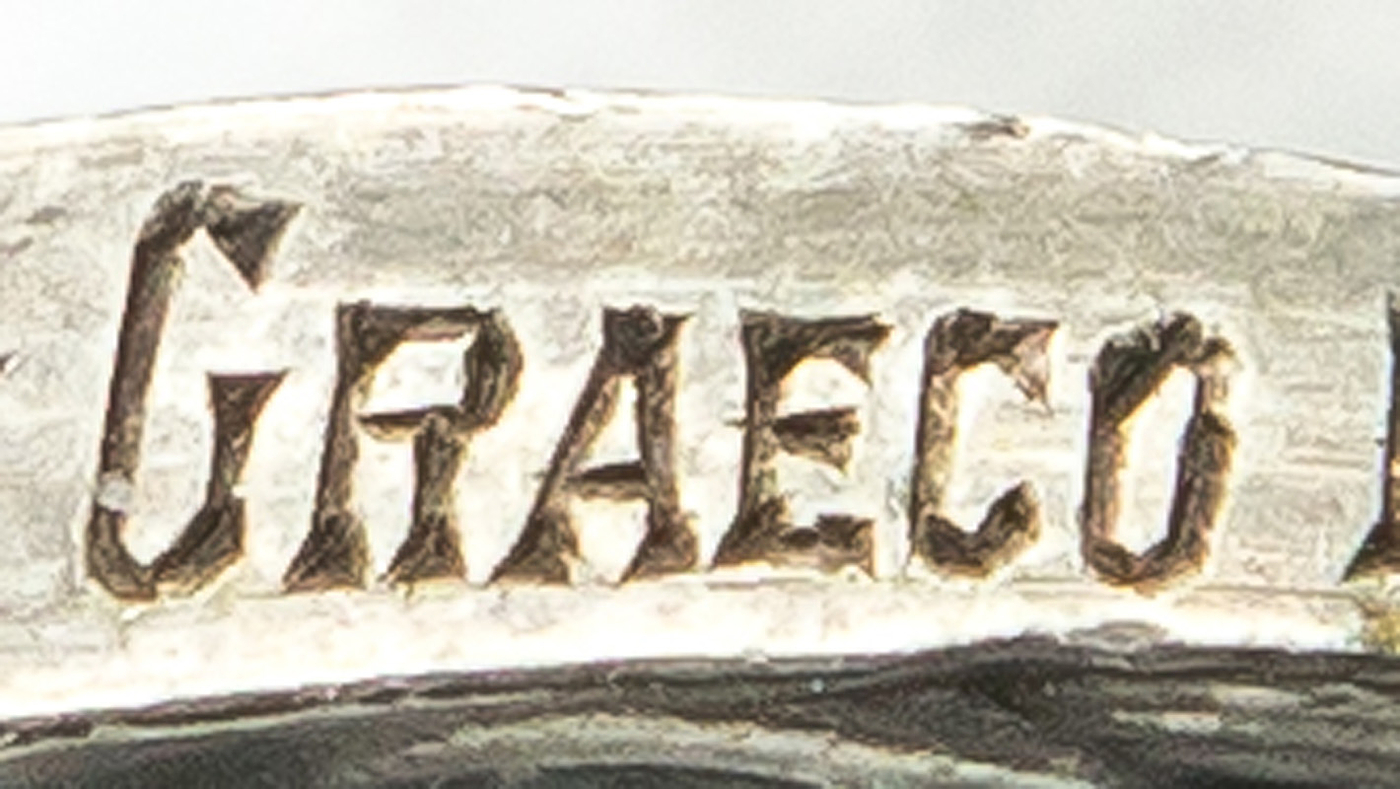
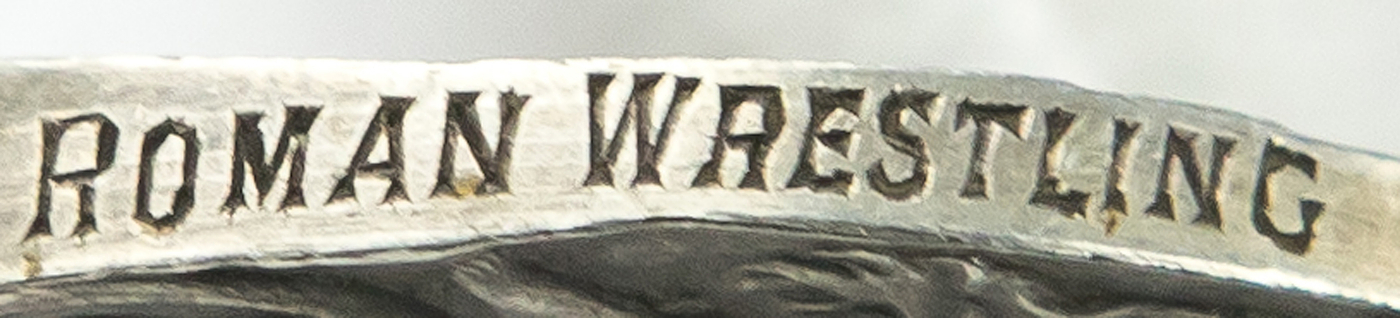
- Olympic Games 1908: Winner's medal awarded to Alexander Petrov (1876–1941; Tsarist Russia) for 2nd place in Greco-Roman Heavyweight Wrestling at the 1908 Olympic Games in London, inscribed "Olympic Games London." Silver (21.56 grams), featuring the edge engraving "Second Prize Heavy Graeco-Roman Wrestling" and the edge hallmark "Vaughton"; 3.3 cm in diameter. A rarity of sports history! During the Tsarist era, Russia first participated in the Olympic Games in 1900 but did not win any medals. Subsequent appearances followed in 1908 (winning one gold in figure skating and two silvers in wrestling) and 1912 (winning four medals). In total, Tsarist Russia won seven medals at the Olympic Games. Following the October Revolution of 1917, the USSR did not participate in the Olympic Games again until 1952! "After World War I, Petrov taught at the Psychoneurological Institute in Saint Petersburg and became one of the pioneers of sports medicine. Unlike most intellectuals, Petrov did not leave his country during the Civil War; in fact, he supported the Revolution. He died in February 1941, just a few months before the outbreak of the Great Patriotic War. During the Siege of Leningrad, his widow, Seraphima Zvereva, traded his awards—including his Olympic medal (Editor's Note)—for food" (Wiki). In the 1980s, the medal came into the possession of a German businessman who acquired it during a trip to the USSR. Condition: A
- Olympic Games 1908: Winner's medal awarded to Alexander Petrov (1876–1941; Tsarist Russia) for 2nd place in Greco-Roman Heavyweight Wrestling at the 1908 Olympic Games in London, inscribed "Olympic Games London." Silver (21.56 grams), featuring the edge engraving "Second Prize Heavy Graeco-Roman Wrestling" and the edge hallmark "Vaughton"; 3.3 cm in diameter. A rarity of sports history! During the Tsarist era, Russia first participated in the Olympic Games in 1900 but did not win any medals. Subsequent appearances followed in 1908 (winning one gold in figure skating and two silvers in wrestling) and 1912 (winning four medals). In total, Tsarist Russia won seven medals at the Olympic Games. Following the October Revolution of 1917, the USSR did not participate in the Olympic Games again until 1952! "After World War I, Petrov taught at the Psychoneurological Institute in Saint Petersburg and became one of the pioneers of sports medicine. Unlike most intellectuals, Petrov did not leave his country during the Civil War; in fact, he supported the Revolution. He died in February 1941, just a few months before the outbreak of the Great Patriotic War. During the Siege of Leningrad, his widow, Seraphima Zvereva, traded his awards—including his Olympic medal (Editor's Note)—for food" (Wiki). In the 1980s, the medal came into the possession of a German businessman who acquired it during a trip to the USSR. Condition: A
Nachverkauf
The unsold objects can be bought up to August 18th, 2025 by the estimateprice plus a fee of 16,5%, shipping and - only in EU - a turnover tax .